
 Open
Open
 Tickets
 Contact
What is the punishment for someone who has already lived a hard life?
From the 1920s to the 1980s, Finnish correctional labour facilities formed part of the country’s developing social welfare system. These little-known yet socially significant institutions combined welfare provision with compulsory labour, confinement and strict discipline. They were intended to provide care and rehabilitation, but also to correct people whose lives or behaviour did not conform to the values and rules considered important by society.
In principle, social assistance was available to everyone, but it came with strict conditions. Not everyone was able or willing to comply with them. People could be committed to a labour institution for reasons such as failing to repay poor relief, vagrancy, evading maintenance obligations, alcohol-related problems or behaviour considered inappropriate by the authorities.
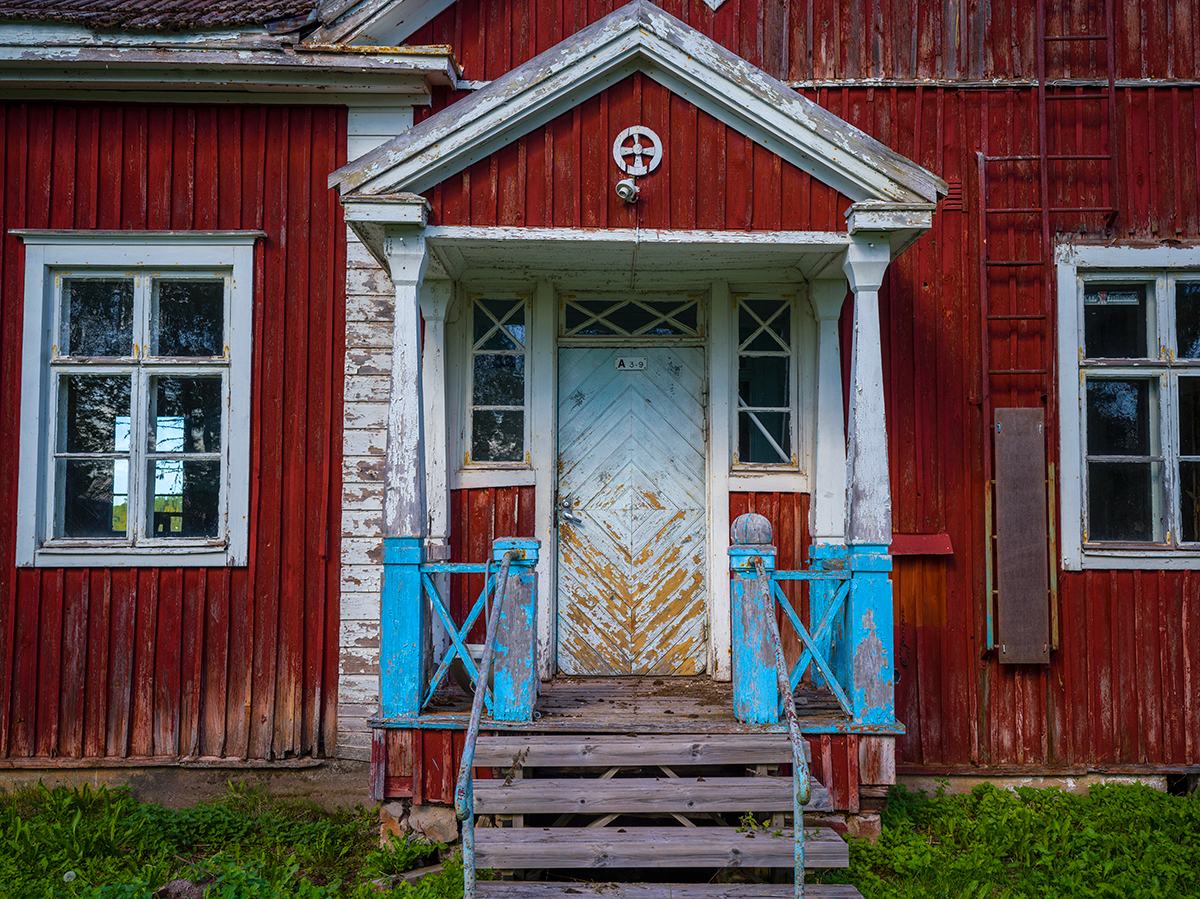
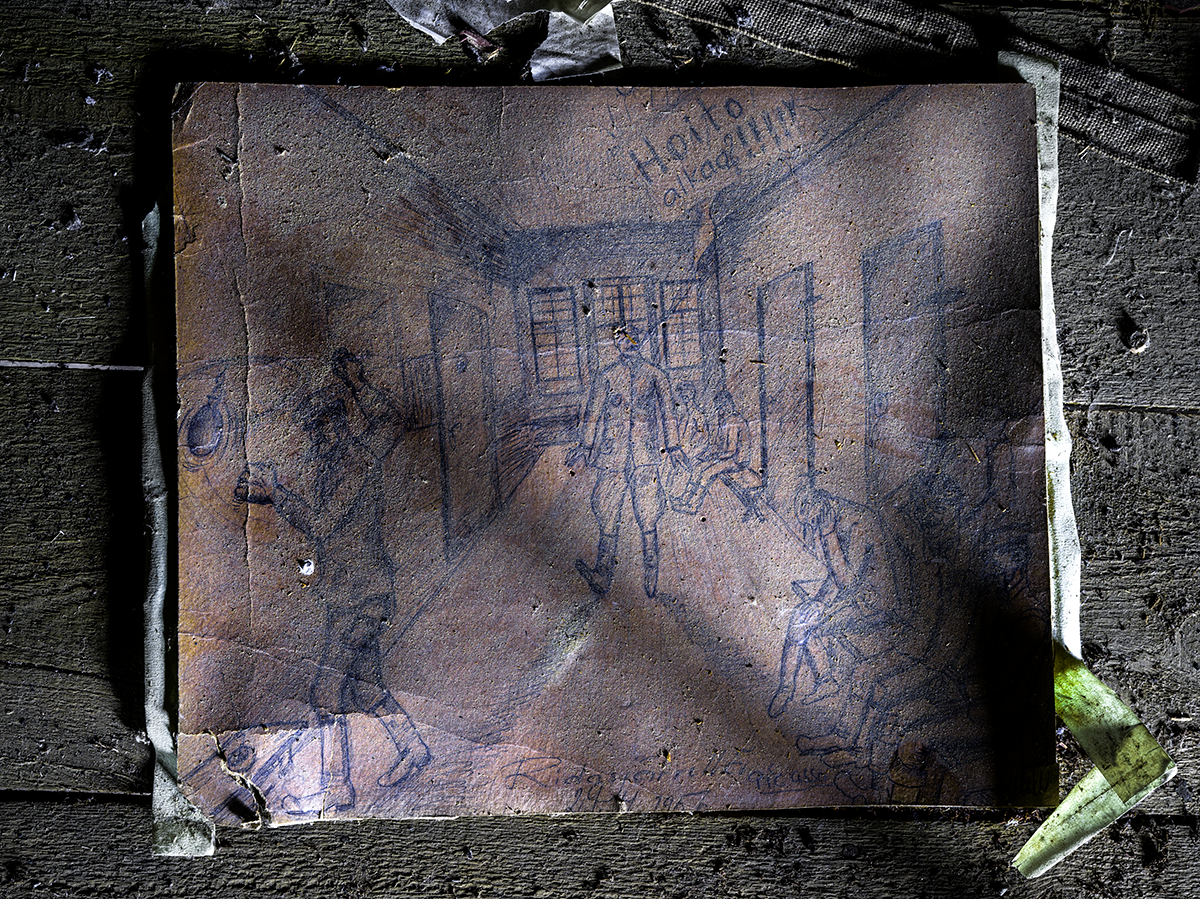
Everyday life in the institutions followed a strict routine, and residents were not free to leave. Windows could be fitted with bars, and the grounds were often surrounded by barbed wire. Work was compulsory, and points were awarded for both work and good conduct. Accumulating enough points could shorten a person’s confinement, but many spent years in these institutions.
Labour institutions were also intended to prevent crime before it occurred, or so it was believed. Their history is a history of lost individual freedom and a highly regulated Finland, but also of a developing social welfare system, poverty, addiction and alternative ways of living. Were they punitive institutions or facilities intended to provide care and rehabilitation? The answer does not fit neatly into either category.
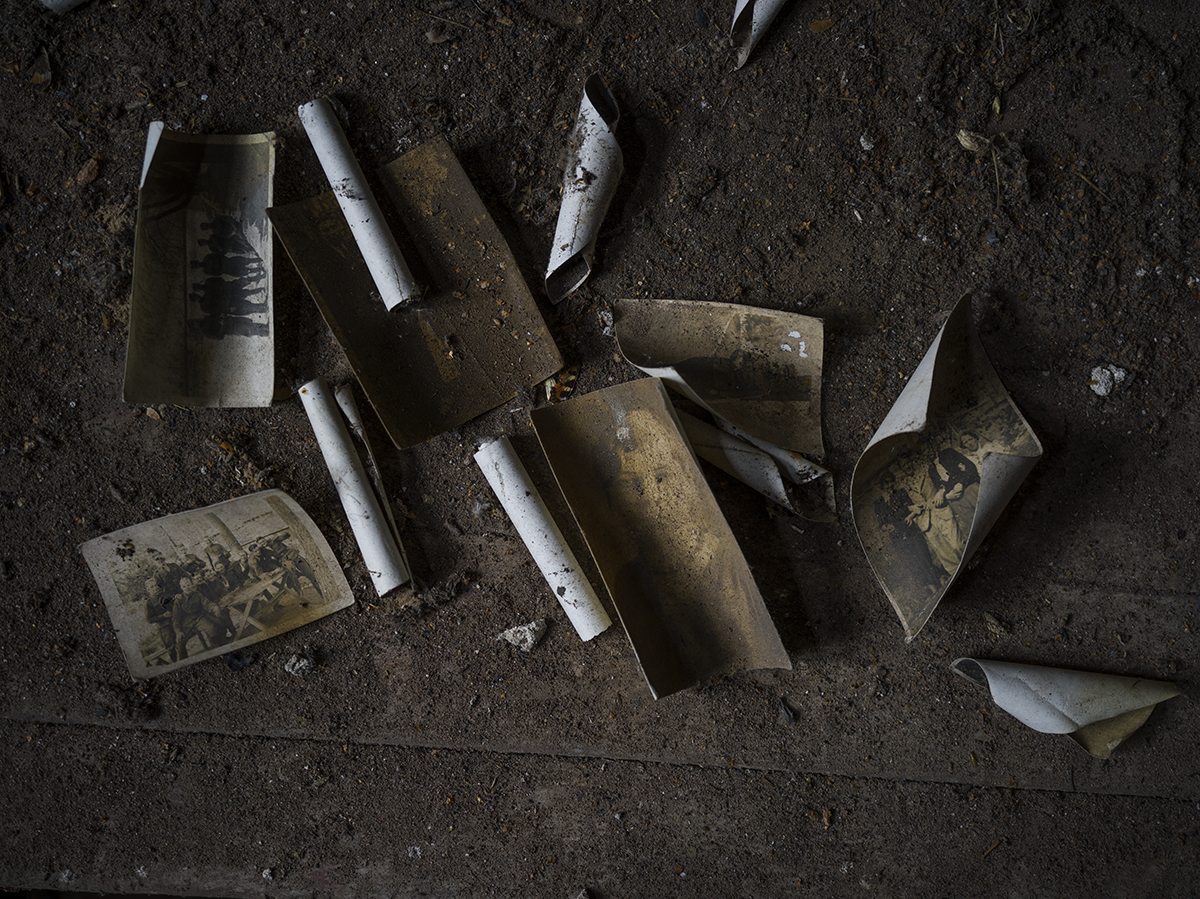
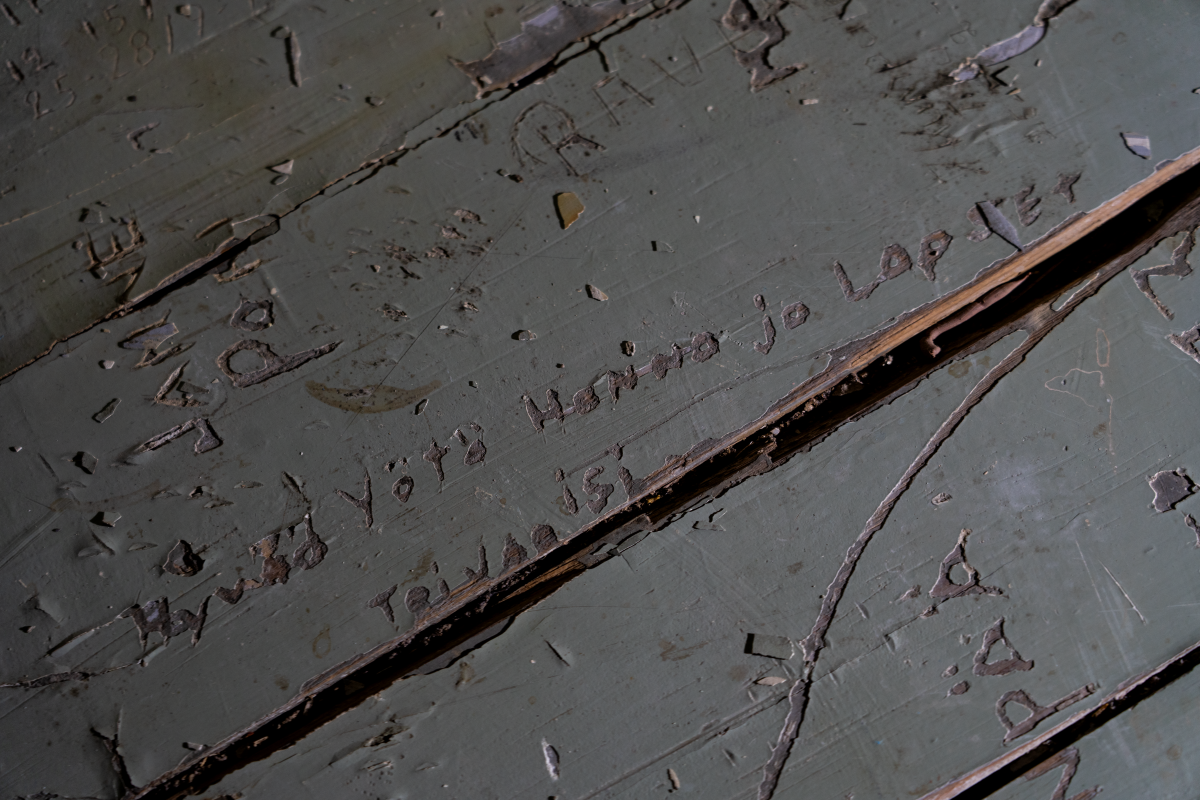
The exhibition at Oulu Museum explores the phenomenon particularly through the Oulu Province Municipal Labour Institution in Ruukki, later known as the Pohjola Labour Institution. Through photographs, objects, documents and personal stories, the exhibition sheds light on a silenced chapter of recent history. It examines what everyday life within the institution was like, how power was exercised and what lasting marks the system left on people.
The exhibition script was created in collaboration between Oulu Museum, writer Katariina Parhi and photographer Vesa Ranta. It forms part of a larger body of work that also includes Parhi and Ranta’s non-fiction book Punished without a Crime: The Nonconforming in Finnish Labour Institutions (Siltala, 2026), published in April 2026, and the exhibition at the Finnish Labour Museum Werstas in Tampere, open from 30 April to 20 September 2026.
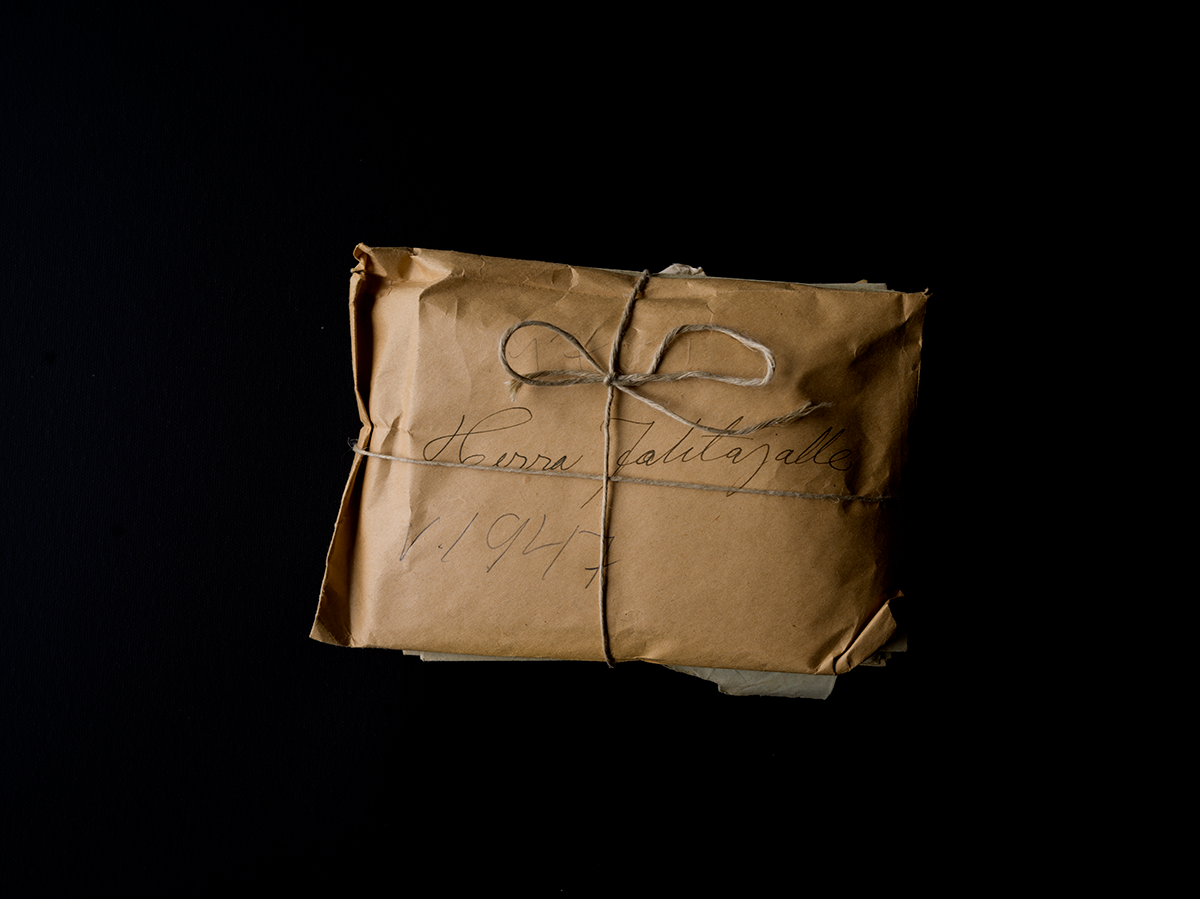
Punished without a Crime is part of the official Oulu2026 European Capital of Culture programme. The exhibition has been supported by the Oulu Culture Foundation, the Finnish Association of Science Editors and Journalists, the Arts Promotion Centre Finland, and the Finnish Heritage Agency.